
Safety and Survival Skills for Remote Trails
Chosen theme: Safety and Survival Skills for Remote Trails. Step into the backcountry with calm confidence, practical know-how, and a mindset that brings you home safely. From smart preparation to decisive action when things go sideways, this page delivers field-tested wisdom, memorable stories, and simple steps you can use today. Read on, share your insights, and subscribe for fresh trail safety strategies that grow with your adventures.
Research Routes and Identify Hazards
Study recent trip reports, trail closures, seasonal water availability, and wildlife activity. Note avalanche zones, river crossings, exposure, and bail-out points. Ask rangers and locals for updates, then print redundancies, because cell coverage and assumptions evaporate quickly where the map turns blank.
Create a Clear Itinerary and Leave a Backstop
Write a simple plan with entry time, route variations, turnaround times, and expected check-in windows. Give it to a reliable contact and set a rescue trigger if you miss check-in by a defined margin. Responsible structure turns mistakes into delays, not disasters.
Essential Gear That Actually Saves Lives
Shelter and Layering for Rapid Weather Shifts
Prioritize a small emergency bivy, windproof shell, and insulating mid-layer that stays warm when damp. Hypothermia can strike in mild temperatures when wind and wet combine. Lightweight does not matter if you cannot stop shivering long enough to think clearly.
Navigation Redundancy over Convenience
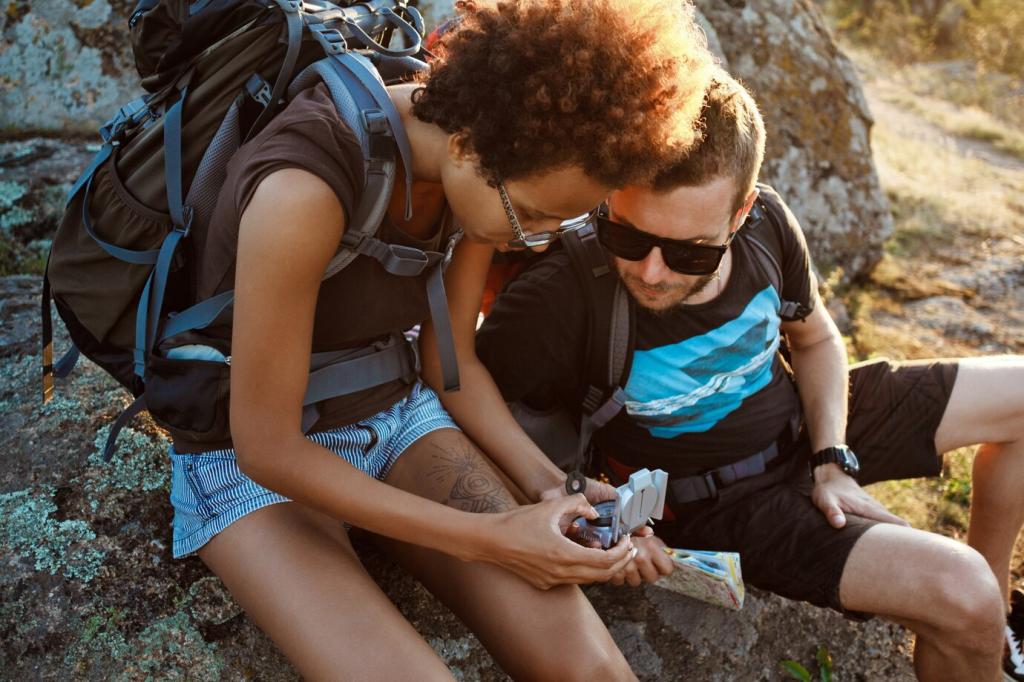
Carry a map and compass you know how to use, a GPS unit or app with offline maps, and a charged external battery. Electronics fail, pockets flood, and screens crack. Redundancy turns a wrong turn into a brief pause rather than an all-night epic.
Medical Kit Tailored to Your Real Risks
Stock pressure dressings, blister care, pain control, antihistamines, and a compact splint. Add personal meds and a small trauma card listing allergies and emergency contacts. Practice using every item, because fumbling with fresh packaging while stressed costs precious minutes.
Navigation and Orientation When Trails Disappear
Set your map to magnetic north, identify handrails like ridgelines and rivers, and triangulate with two features when visibility allows. Keep your thumb on location and update often. Little corrections early prevent big corrections later, especially when daylight is fleeing.
Water Sourcing and Purification Without Regrets
Look for springs above grazing areas, side drainages after rain, and shaded seeps near rock. Avoid stagnant pools and heavy silt where filters clog fast. Mark possible sources on your map during planning so desperation never dictates risky choices.


Water Sourcing and Purification Without Regrets
Boiling is reliable but fuel-intensive; filters remove protozoa and bacteria; chemicals are lightweight but need time; UV purifiers are fast but battery dependent. Carry a primary and backup method. Treat every source—clarity does not equal safety in wild waters.
Wilderness First Aid You’ll Remember Under Stress
Check for hazards like unstable slopes, weather exposure, and falling rock before rushing in. Use airway, breathing, circulation checks, then disability and exposure. A methodical approach prevents missing critical clues while adrenaline urges fast, risky movement.
Wilderness First Aid You’ll Remember Under Stress
Apply direct pressure, pack wounds when needed, and use a tourniquet for life-threatening bleeding. Splint in position of comfort and pad generously to prevent pressure sores. For sprains, support, cool, and reassess circulation after every adjustment.
Use groups of three: three whistle blasts, three flashes, or three rock piles in a triangle. Create ground-to-air markers with high contrast shapes. At night, intermittent light draws attention better than a constant beam lost against the landscape.
Stop to interrupt panic, Think through resources and risks, Observe weather, terrain, and group condition, and Plan the smallest safe next step. This simple reset transforms spiraling situations into a series of manageable choices grounded in reality.
Mindset, Decisions, and Stories from the Trail
Name the problem, assign roles, and confirm understanding out loud. Rotate tasks to prevent exhaustion, and keep morale up with small wins like warm drinks or dry socks. Clear communication dissolves fear and preserves precious energy for problem solving.