
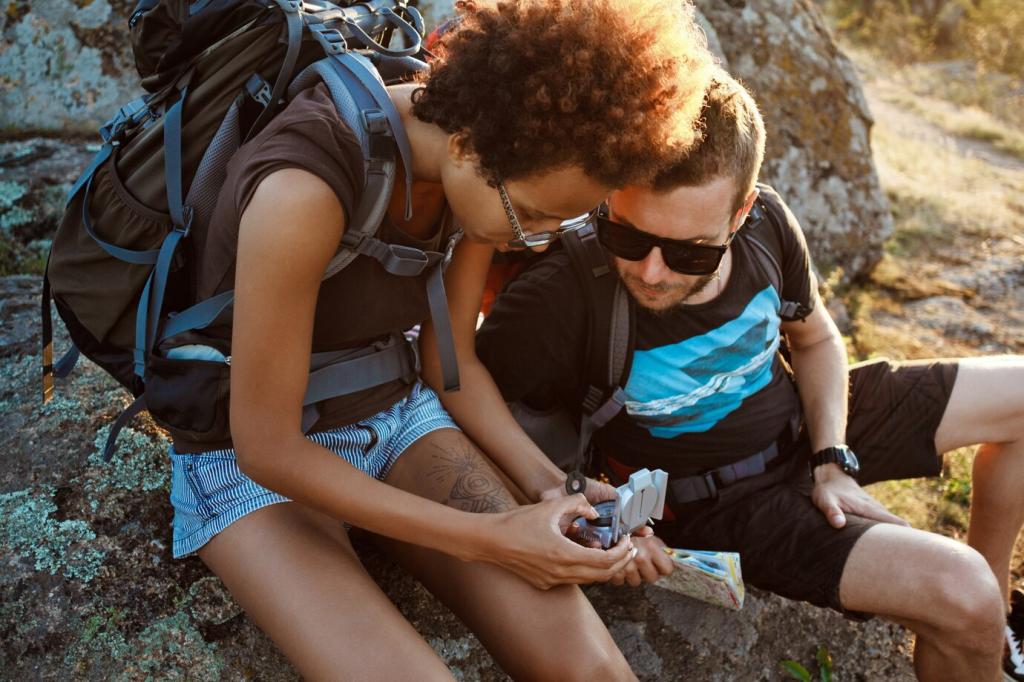
Packing Essentials for Long-Distance National Park Hikes
Theme chosen: Packing Essentials for Long-Distance National Park Hikes. Smart, lightweight packing turns tough terrain into memorable miles—from alpine passes to desert canyons. Dive into tested gear choices, pro tips, and stories that help you hike farther, safer, and happier. Share your favorite essentials and subscribe for future checklists.
Capacity and Features That Match Your Route
For multi-day park treks, 50–65 liters usually balances space and weight. Look for solid hip belts, external pockets for water treatment, and a simple frame. Compression straps tame bulk, while a front mesh pocket becomes a home for wet layers and maps.
Dialing Fit and Load Order for All-Day Comfort
Measure torso length, adjust the yoke, and let the hip belt carry most weight. Pack dense items near your spine, soft items against hot spots, and quick-access layers up top. A well-tuned pack reduces fatigue and protects your knees on relentless descents.
Poles, Straps, and Small Tweaks That Add Up
Stow trekking poles where you can reach them before a steep climb or scree traverse. Use a tiny length of shock cord to secure bear canisters or wet shoes. Share your smartest micro-adjustment in the comments so other hikers can try it next weekend.
Layering Clothing for Unpredictable Park Weather
Moisture Management Starts With the Base Layer
Choose breathable synthetics or merino to keep sweat moving. In Yosemite’s high country, cool mornings turn to blazing afternoons—so quick-drying tees shine. Pack a dedicated sleep base layer to stay warm at camp and keep your sleeping bag fresher.
Insulation and Weather Protection You’ll Actually Wear
A light puffy plus a 2.5–3-layer rain shell covers surprise hail on Colorado passes and damp fog in Olympic. Wind shirts weigh ounces yet earn their keep on blustery ridgelines. Don’t forget mitts and a beanie; small items transform cold breaks.
Sun, Bugs, and Trail Grit: The Real-World Extras
Desert routes reward a sun hoody, brimmed hat, and UPF gloves. Buggy boardwalks beg for a head net and light repellent. Gaiters keep sand and scree out of shoes, which means fewer stops and more time enjoying elk bugles and evening alpenglow.
Food Strategy, Cooking Options, and Wildlife-Safe Storage
Aim for 100–130 calories per ounce: nut butters, olive oil, couscous, and energy-dense bars. Plan resupplies around ranger stations or park-adjacent towns. Label daily food bags—future you will love grabbing a ready-to-go bundle during a cold sunrise.
Food Strategy, Cooking Options, and Wildlife-Safe Storage
Canister stoves are fast for coffee at dawn and soup at windy passes. Alcohol or solid-fuel options shave weight but require practice. Cold soaking removes stove bulk; pair with spice packets and crunchy add-ins to keep meals interesting night after night.
Shelter and Sleep: Rest That Fuels Big Miles
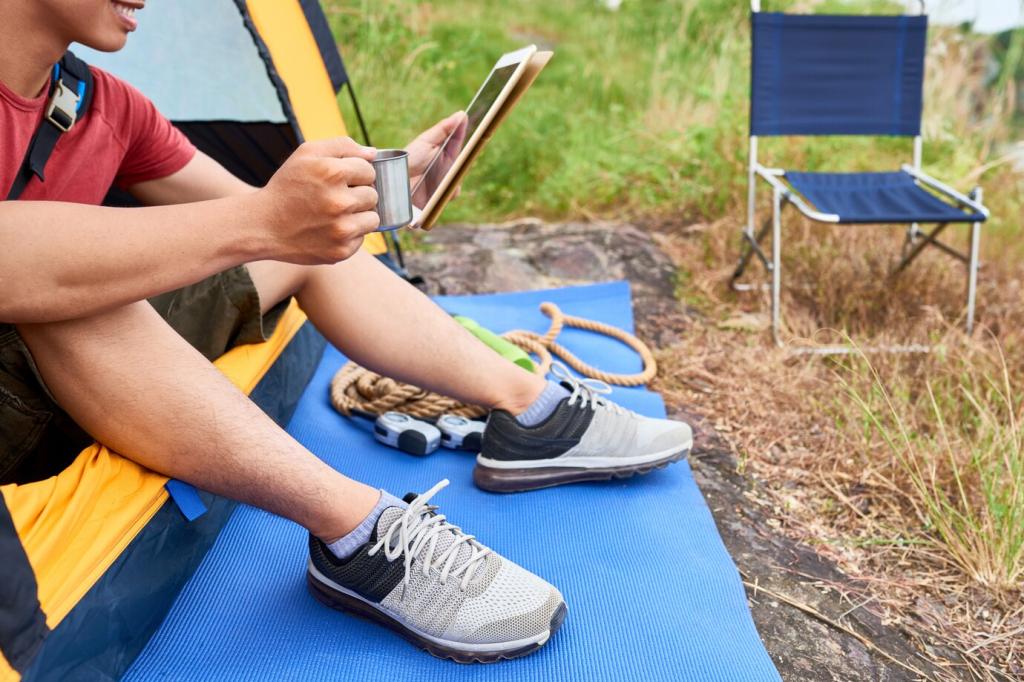
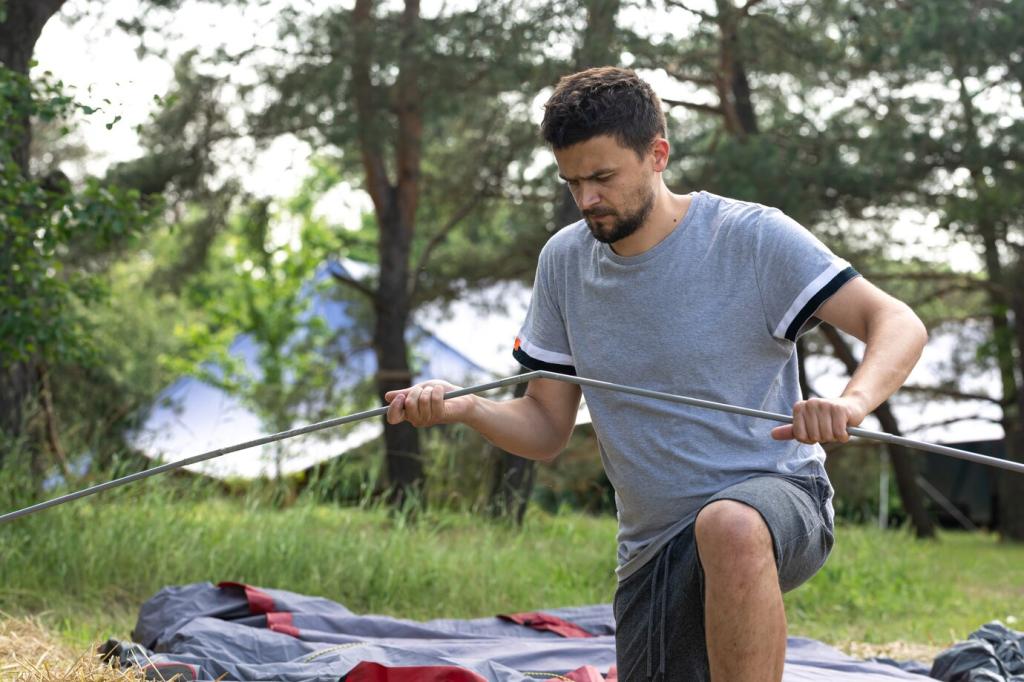
Double-wall tents handle condensation in humid valleys, while tarps shine for ultralighters above tree line with smart pitching. Trekking-pole shelters save weight by multitasking. Always stake securely before alpine gusts arrive, and check site regulations carefully.
Shelter and Sleep: Rest That Fuels Big Miles
Match temperature ratings to realistic lows, not wishful thinking. Quilts pair beautifully with high R-value pads that block ground chill. In Rocky Mountain parks, a lightweight closed-cell pad under an inflatable adds warmth and insurance against nighttime punctures.
Navigation, Permits, and Safety Readiness
Download offline maps, carry a paper topo, and practice simple bearings. Batteries die in cold, and canyon walls block signals. A five-minute refresher at camp can prevent a costly detour when fog rolls over a featureless alpine plateau.
Navigation, Permits, and Safety Readiness
Pack blister care, a few meds, tape, a small elastic wrap, and needle plus floss for gear repairs. Customize for altitude, allergies, or chronic issues. Add a tiny repair patch for pads; a warm night’s sleep can salvage a tough itinerary.
Power, Lighting, and Tiny Essentials That Matter
Choose a headlamp with a lockout and moonlight mode for camp chores. Pack a micro backup or spare batteries. Navigating predawn switchbacks to catch sunrise from a fire lookout becomes safer and far more magical with reliable light.
Power, Lighting, and Tiny Essentials That Matter
Right-size your power bank to your habits: photos, GPS logging, and night reading add up. Keep electronics warm in your quilt footbox on cold nights. Airplane mode and lower screen brightness stretch precious watt-hours across multi-day routes.
Power, Lighting, and Tiny Essentials That Matter
A needle, tape, zip ties, and a tiny tube of seam sealer fix big problems. A trowel, soapless hygiene, and pack-out bags honor Leave No Trace. Share your best minimal kit layout to inspire someone’s cleaner, lighter camp routine.
Pack Weight Philosophy and Pre-Trip Shakedowns
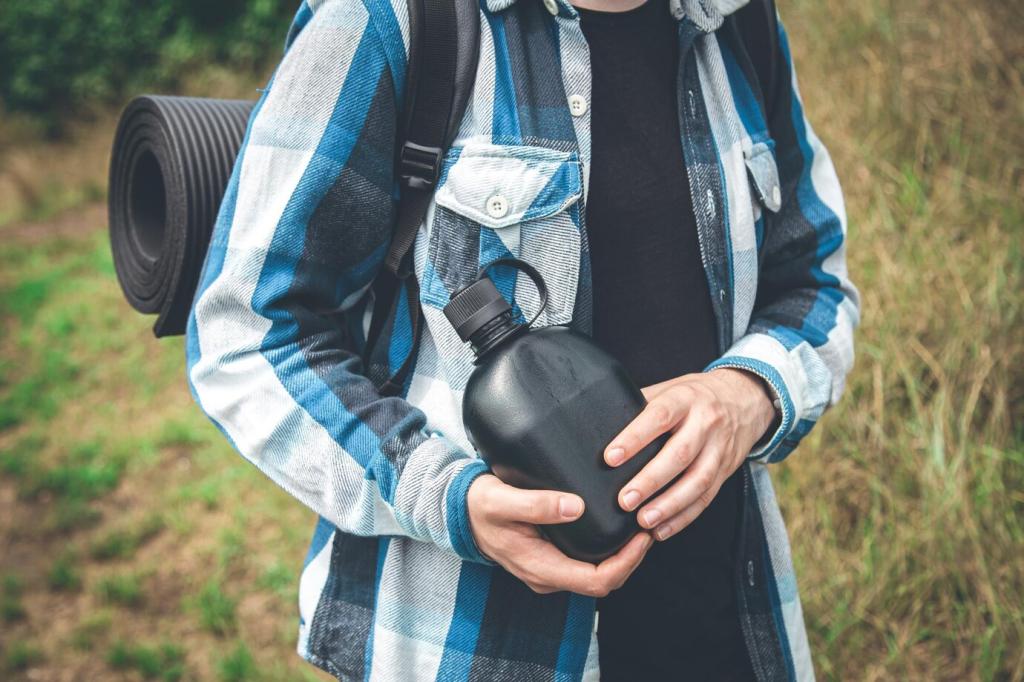
Swap heavy bottles for soft flasks, cut redundant clothing, and carry multi-use items. Keep robust rain protection, a warm layer, and solid footwear. The goal is sustainable miles, not bragging rights—arriving smiling beats arriving broken every single time.
Test your full kit on a local loop with similar elevation and weather. Time camp setup, filter water, and sleep outside. You’ll spot chafing, hot spots, and packing inefficiencies before your permit window opens and the mountains beckon for real.
A tiny notebook, a favorite tea, or lightweight camp shoes can lift morale after tough miles. Choose one or two, not ten. Tell us which small luxury changed your trip for the better so others can refine their own balance.