Fueling Your Journey: Nutrition and Meal Planning for Multi-Day Hikes
Theme selected: Nutrition and Meal Planning for Multi-Day Hikes. Discover how to eat smart, carry light, and stay energized day after day. Join the conversation—share your favorite trail meals, subscribe for new recipes, and fuel your next adventure with confidence.
Most hikers burn 3,000–5,000 calories daily on multi-day routes, rising with elevation gain, pack weight, cold weather, and long miles. Track your hunger, recovery, and energy levels, then adjust portions. Comment with your body weight, mileage, and what calorie target works best for you.
Calculating Trail Calories and Macros
Carbs keep you moving, fats carry dense energy, and protein supports recovery. Many hikers thrive around 50–60% carbs, 25–35% fats, 15–20% protein, adjusted for preference. Test ratios on shakedown hikes to prevent bonks and stomach issues before committing on a longer trek.
Hydration, Electrolytes, and Smart Sipping
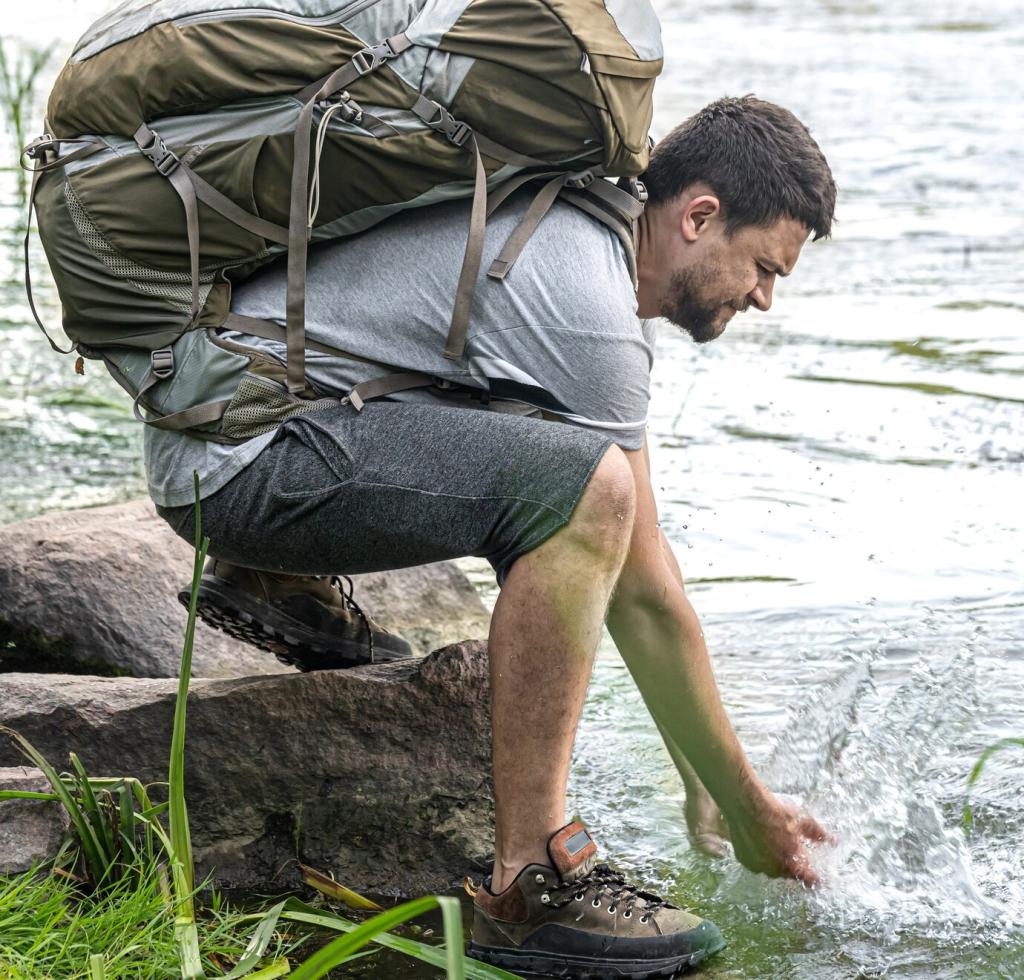
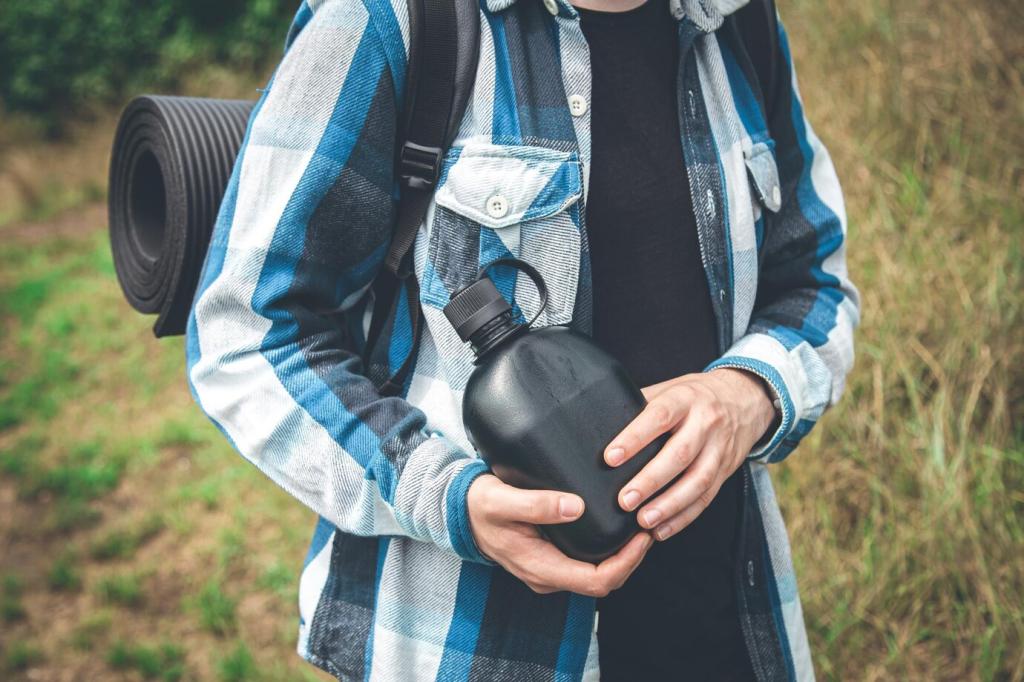
Study maps and recent reports to identify reliable sources, then plan carries between dry stretches. Use filters, chemical drops, or UV to treat. In cold mornings, keep a bottle in your sleeping bag to prevent freezing. Comment with your favorite treatment method and why you trust it.
Pre-pack each day’s meals in labeled bags: breakfast, snacks, lunch, dinner. This prevents over- or under-eating and speeds camp routines. Add morale boosters—candy, cocoa, or crunchy chips. What small treat keeps your spirits high on the fourth rainy day in a row?
Rotate three to five core dinners and vary textures—creamy, crunchy, chewy—to keep eating enjoyable. Mix spices, hot sauce packets, and different grains. Label bags by day number to avoid repeating favorites too soon. Share your best flavor hacks for keeping trail food exciting all week.
Remote trails may require mail drops with special diet items; busier routes often have adequate town resupply. Research store selection, opening hours, and price. Include a small checklist in each box: fuel, snacks, electrolytes, bags. Tell us which resupply model worked best for your last journey.
Food Safety and Wildlife-Smart Storage
Check local rules—some areas require canisters, others allow Ursacks or proper hangs. Seal all scented items, including sunscreen and trash. Cook and sleep in separate zones. Which storage system has worked best for you, and how do you keep midnight snack raiders from visiting camp?
Dehydrated lentils, textured soy, peanut powder, nuts, seeds, and fortified oats provide excellent protein. Pair with calorie-dense fats and whole grains. Test combinations on short trips first. If you follow a plant-based plan, drop your highest-protein, lightest-weight dinner idea for other readers.
Daily Rhythm: Breakfasts, Trail Snacks, and Dinners
Oats with nut butter, instant grits, or cold granola with powdered milk set a steady pace. Coffee or tea lift morale. If mornings are rushed, choose no-cook options. Tell us your quickest breakfast that still feels like a hug before a big climb.
Daily Rhythm: Breakfasts, Trail Snacks, and Dinners
Set hourly snack reminders to avoid bonks. Mix sweet and savory: dried fruit, jerky, crackers, and nut butter packets. Keep something accessible in hip-belt pockets. What snack combo keeps your energy smooth without sugar crashes during long ridge walks or steep forest ascents?