
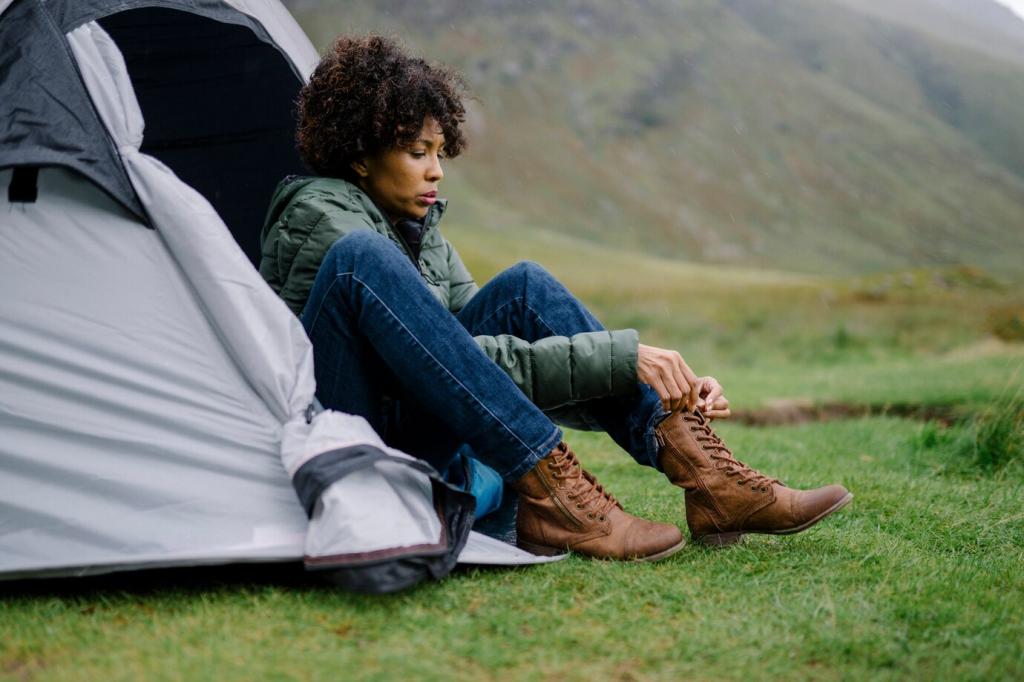

Find Your Way: Navigation Tips for Long-Distance Hikes

Today’s chosen theme is Navigation Tips for Long-Distance Hikes. Step onto the trail with clear direction, resilient confidence, and practical skills that keep you safe, efficient, and open to wonder on every ambitious mile. Join in, share your questions, and help others navigate smarter.

This is the heading

Lorem ipsum dolor sit amet, consectetur adipiscing elit. Ut elit tellus, luctus nec ullamcorper mattis, pulvinar dapibus leo.
This is the heading

Lorem ipsum dolor sit amet, consectetur adipiscing elit. Ut elit tellus, luctus nec ullamcorper mattis, pulvinar dapibus leo.
Compass Confidence on Exposed Ridges

Taking Accurate Bearings

Plant your feet, calm your breathing, then align the orienting lines with the map’s north. Rotate the bezel, read the bearing, and transfer it to terrain with a distant feature as a target. Share your favorite accuracy tricks in the comments.

Declination Without Confusion

Magnetic north drifts from true north. Set local declination on your adjustable compass or do the math consistently. Write the number on your map margin so tired evening decisions do not drift off course under pressure.

Following a Bearing in Real Terrain

Terrain rarely allows a straight line. Leapfrog between visible handrails like ridgelines and streams, resetting on recognizable features. If brush blocks progress, dogleg around obstacles while carefully counting paces and time to stay anchored to your bearing.

GPS, Phones, and Battery Wisdom

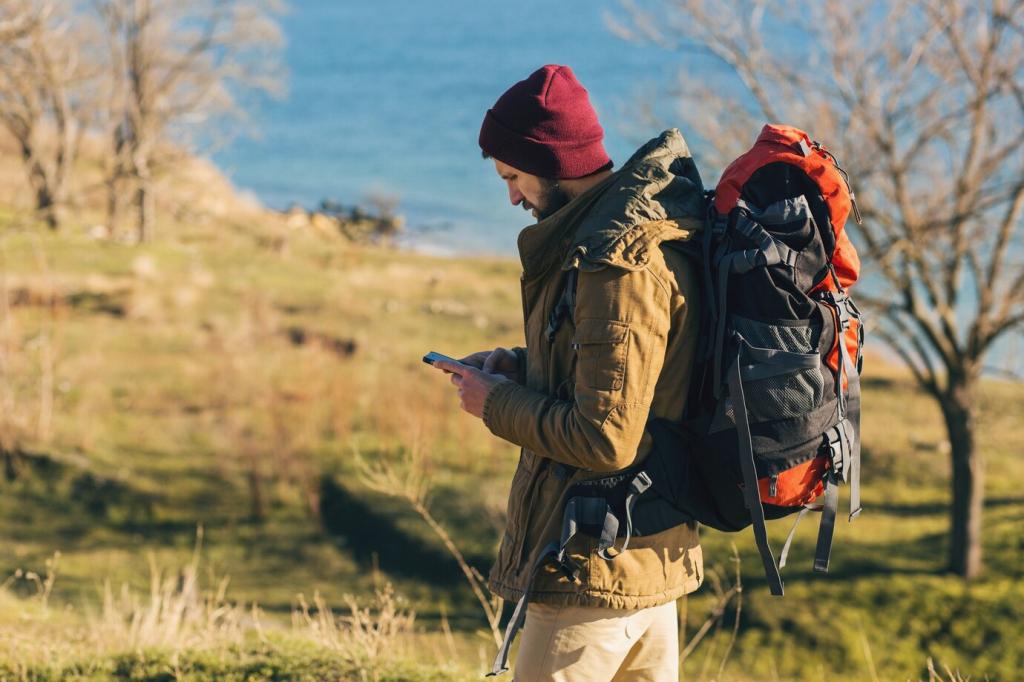
Dedicated GPS units handle weather and gloves beautifully, while phones shine with detailed basemaps and fast planning. Pick an app offering raster topo layers, GPX import, and track recording. Tell us which combo kept you confident on your longest trek.

GPS, Phones, and Battery Wisdom

Always download offline maps at multiple zoom levels for your entire route and alternates. Export GPX tracks to both phone and standalone device. Stash a printed overview map so if electronics fail, your navigation plan stays coherent and calm.

Route Planning That Prevents Getting Lost

Identify forks, saddles, and creek junctions where you will stop to verify direction. Pre-select bailouts to lower elevation or roads if weather turns. Write target times so fatigue does not nudge you past critical checks without noticing.
Start with Naismith’s rule, then adjust for pack weight, altitude, heat, and your personal pace history. Build buffers for photo stops, filter breaks, and route-finding pauses. Comment with your favorite timing tweaks that keep expectations realistic.
Thread your route along reliable water, sheltered camps, and terrain handrails like broad ridges. Avoid cliff-prone shortcuts that promise minutes but cost hours. Mark no-go zones where navigation errors carry outsized consequences in poor visibility.

Natural Navigation: Reading the Land

Ridges, Valleys, and Aspect Clues

Ridges shed water and wind; valleys gather both. Aspect influences snow patches, vegetation, and trail melt. When unsure, climb slightly to regain sightlines on a ridge, then reorient with matching spurs and recognizable drainage patterns below.
Pacing, Timing, and Handrails
Count paces between features and check elapsed time against plan. Follow handrails like fences, shorelines, or ridgelines to minimize drift. Agree on signals with partners so communication stays crisp when voices vanish into wind and darkness.
Micro-Navigation with Attack Points
From a large, unmistakable feature, shoot a short bearing to a nearby attack point like a boulder cluster. Then close in carefully on your exact target. This step-down approach prevents wandering when visibility collapses unexpectedly.
Staying Oriented When Fog Rolls In
If fog arrives fast, stop, mark your position, and reassess. Take a bearing to a safe handrail and move deliberately. Resist the urge to hurry. Drop a comment with your best fog protocol to help others stay composed.

Stories from the Trail: Lessons Learned

On a shoulder of granite, I followed boot prints into a fading herd path. A five-minute pause to recheck contours revealed a parallel ridge trap. Resetting the line saved an hour. Share your near-miss turned learning moment below.

Stories from the Trail: Lessons Learned

Batteries died in sleet, but a pre-set declination and a 240-degree bearing guided us along a safe spur to camp. The compass never cared about weather. What backup kept your long day from turning truly long?
Norivelaxonononex
Privacy Overview

This website uses cookies so that we can provide you with the best user experience possible. Cookie information is stored in your browser and performs functions such as recognising you when you return to our website and helping our team to understand which sections of the website you find most interesting and useful.