Choosing the Right Gear for National Park Hikes

Chosen theme: Choosing the Right Gear for National Park Hikes. Step confidently onto iconic trails with a kit that is dialed for terrain, weather, and park rules. We share hard-won insights, smart checklists, and stories from the backcountry, so you can hike safer, lighter, and happier. Subscribe and tell us which park you are preparing for to get tailored gear tips.

Trail surfaces and elevation changes

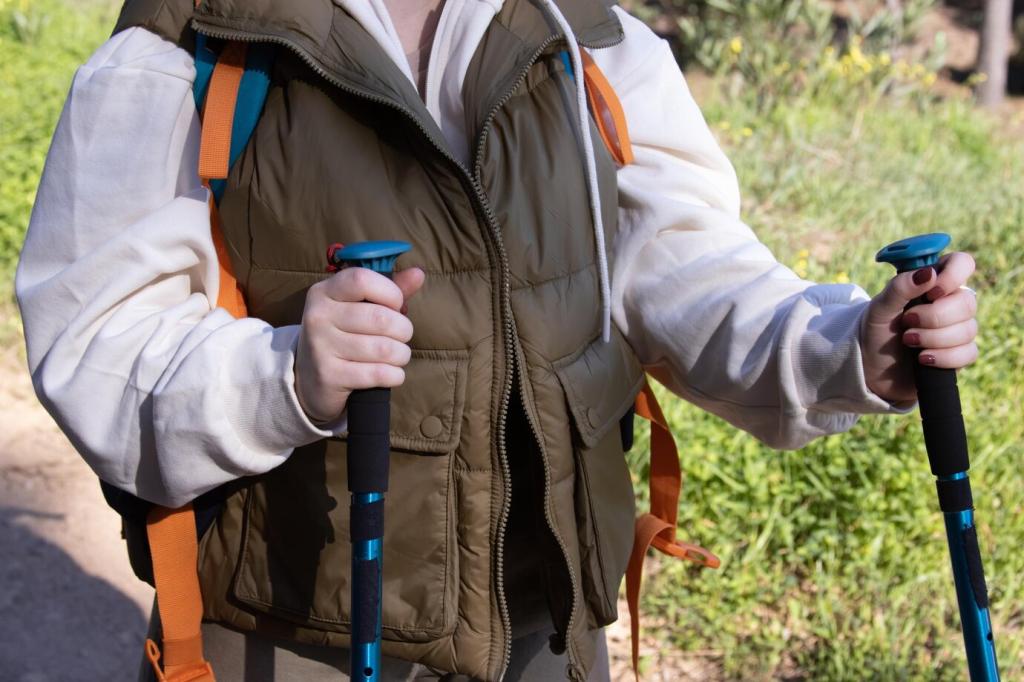
Rocky steps in Zion chew soles differently than sandy corridors in Great Sand Dunes or rooty paths in Olympic. Elevation profiles dictate poles, footwear stiffness, and how much water you must carry between sources. Share your toughest climb so we can help match gear to your home terrain.

Weather patterns and microclimates

Yosemite’s blue mornings can turn to granite-polishing thunderstorms by afternoon, while Smokies fog soaks layers you thought were safe. Packing a breathable shell and fast-drying base layers matters when valleys bake but ridgelines chill. Subscribe for regional weather gear prompts a week before your trip.

Permits, regulations, and gear restrictions

Some parks require bear cans, limit stove types during fire season, or forbid drones and glass containers. Knowing rules saves fines and prevents awkward gate delays. Drop a comment with your planned dates, and we will point you to current regulation updates and compliant gear alternatives.

Footwear and Foot Care

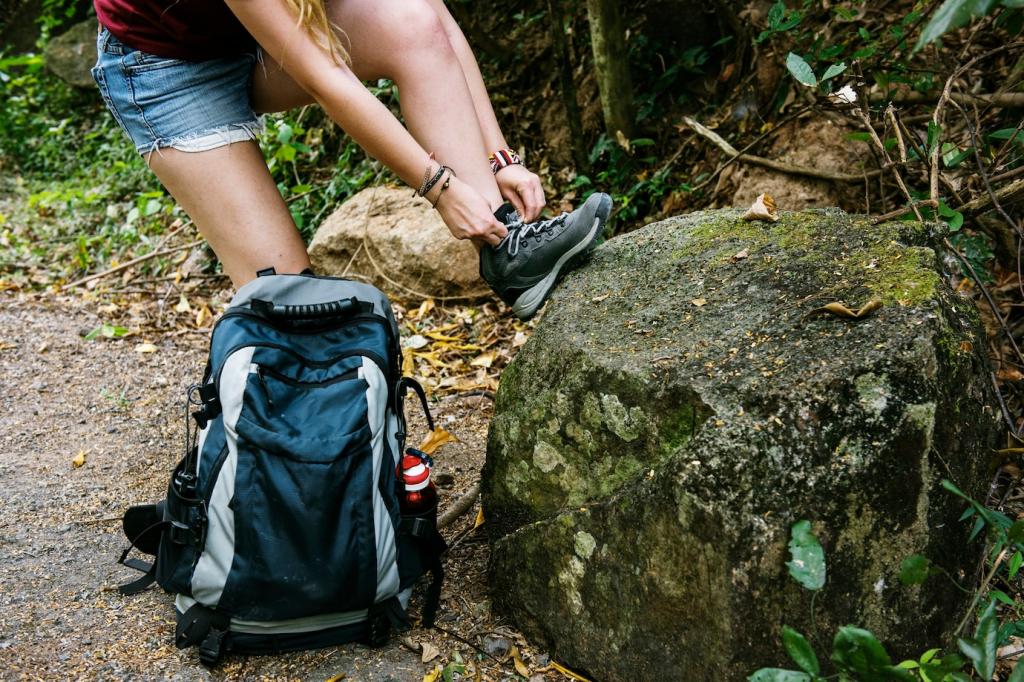
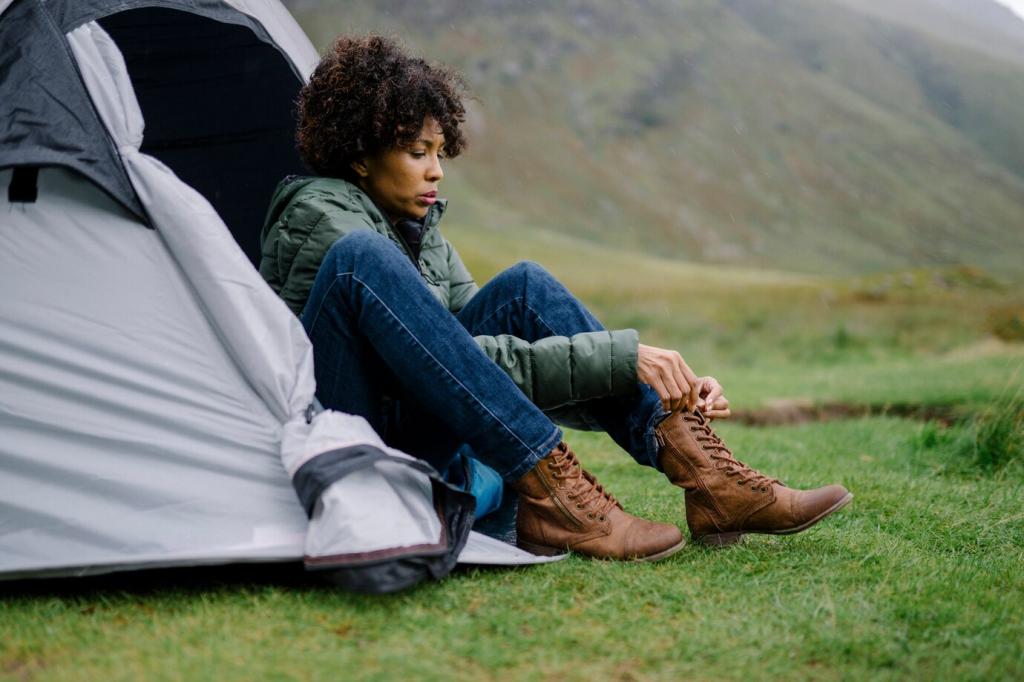
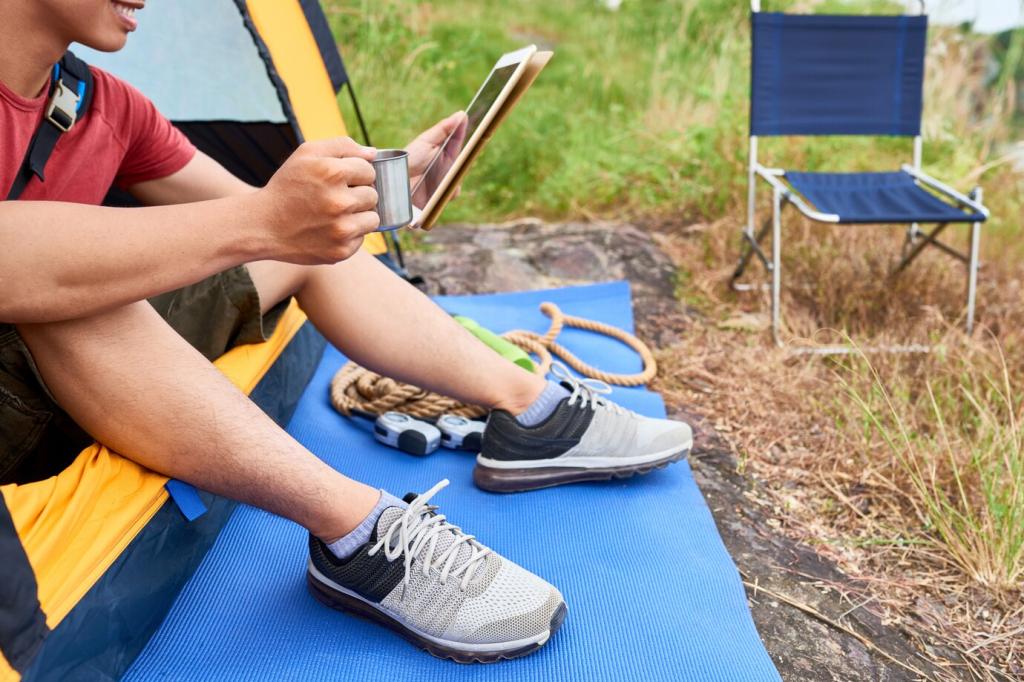
Sturdy boots stabilize ankles on talus and when hauling bear cans, while trail runners shine on maintained paths where agility matters. Consider heel drop, toe protection, and outsole rubber. If you have a heavy pack or snow patches, lean boot. Light day hikes in dry conditions often favor runners.

Footwear and Foot Care

Merino socks regulate temperature and resist odor, liners reduce friction, and lightweight gaiters block grit that causes hot spots. Bring a dry backup pair and rotate at lunch to keep skin resilient. Comment with blisters you have battled, and we will recommend specific sock weights and heights.

Clothing Layers that Work

Choose merino or technical synthetics that move sweat away while drying quickly. Cotton lingers damp and chills you when wind picks up on exposed ridges. A lightweight long-sleeve base with thumb loops can bridge hot valleys and breezy passes, reducing pack changes and saving precious time.

Clothing Layers that Work

Active insulation like breathable fleece or light synthetic puffs warms during movement without turning you into a sauna. Down excels in cold, dry camps but needs careful storage. Pack a compact midlayer you can shrug on during snack breaks before cooling creeps in and steals morale.
Navigation and Safety Essentials

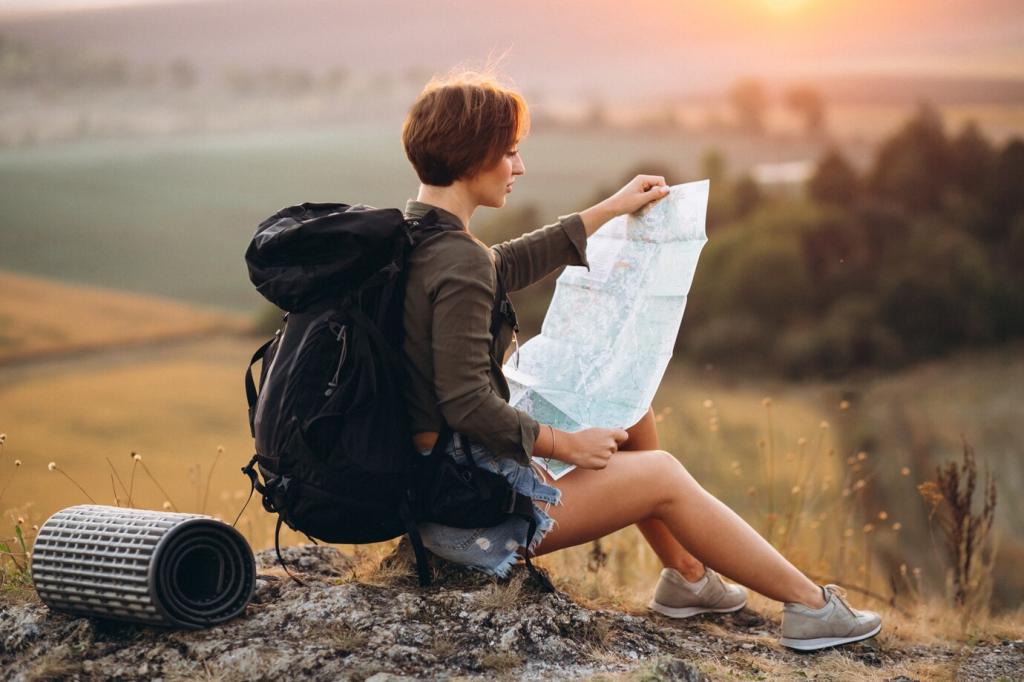
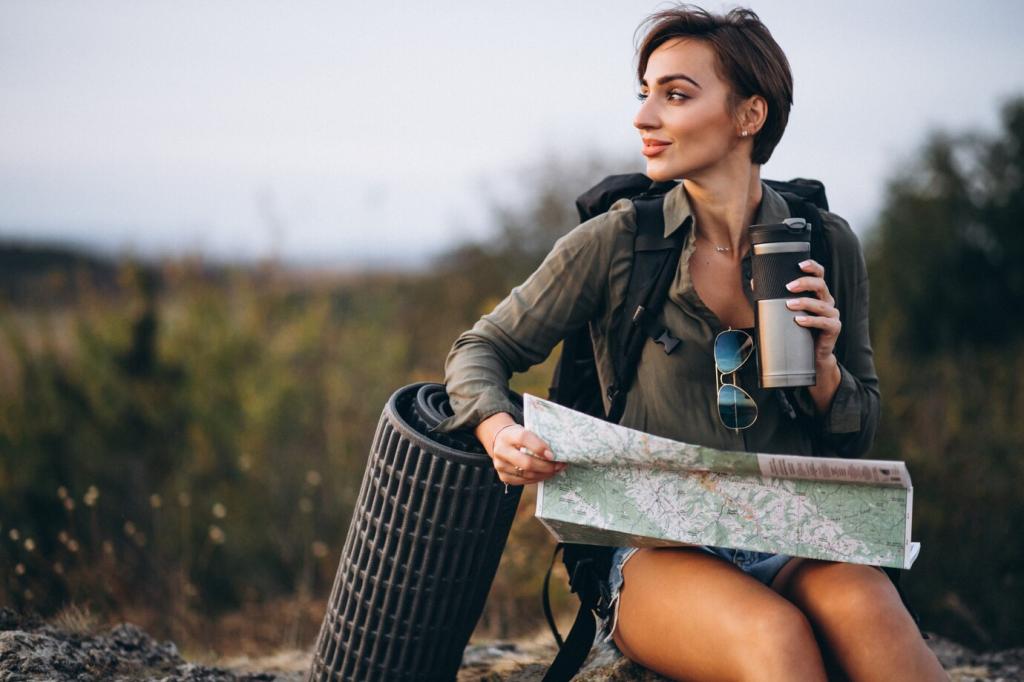
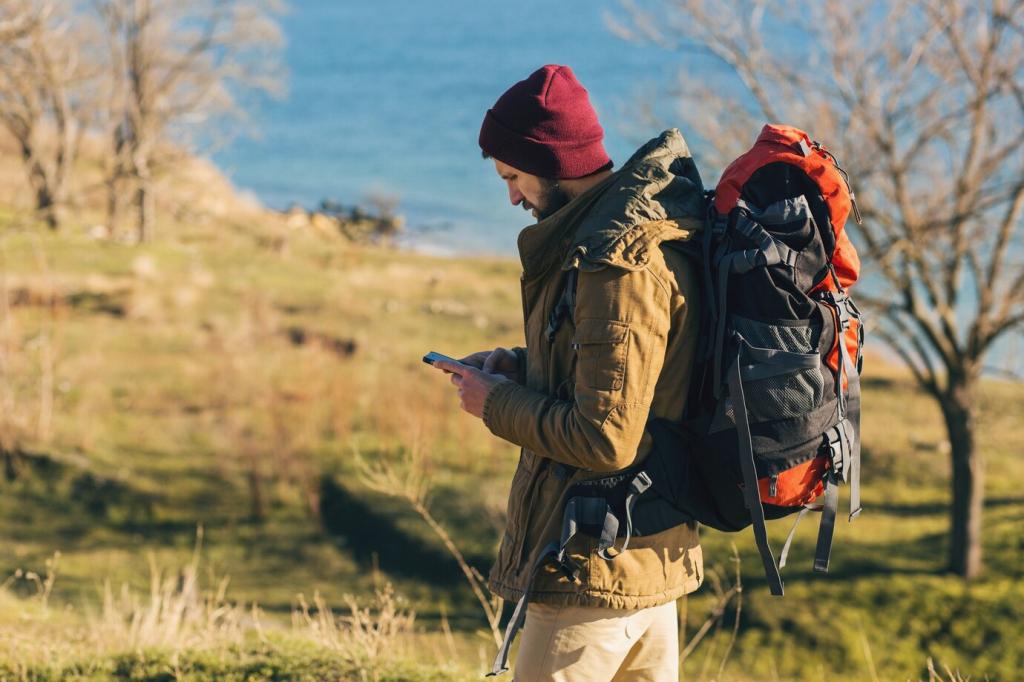
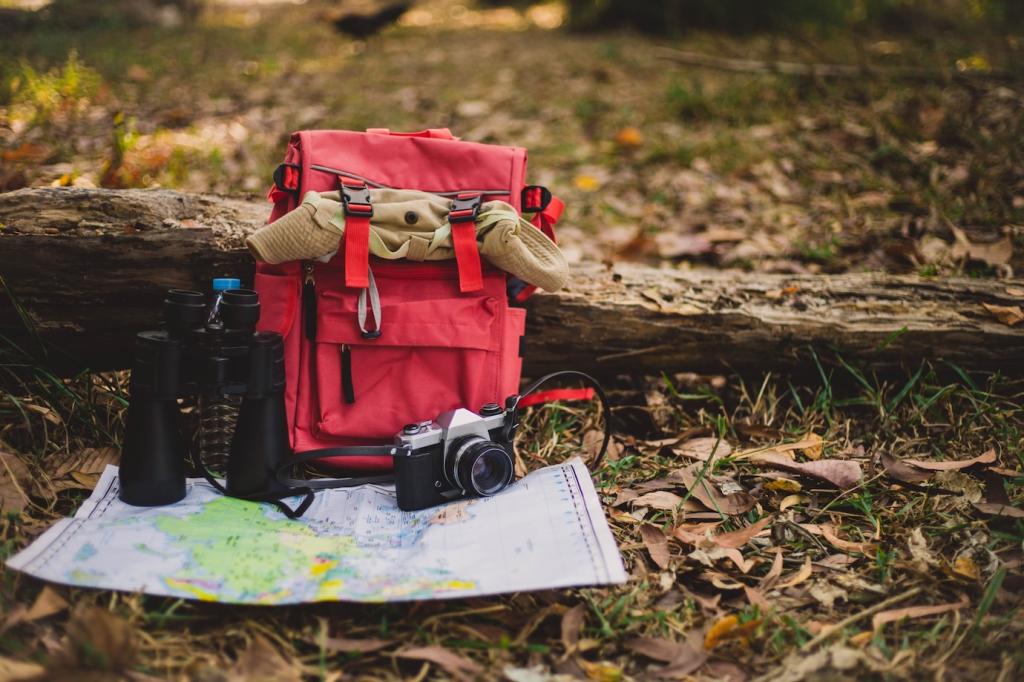
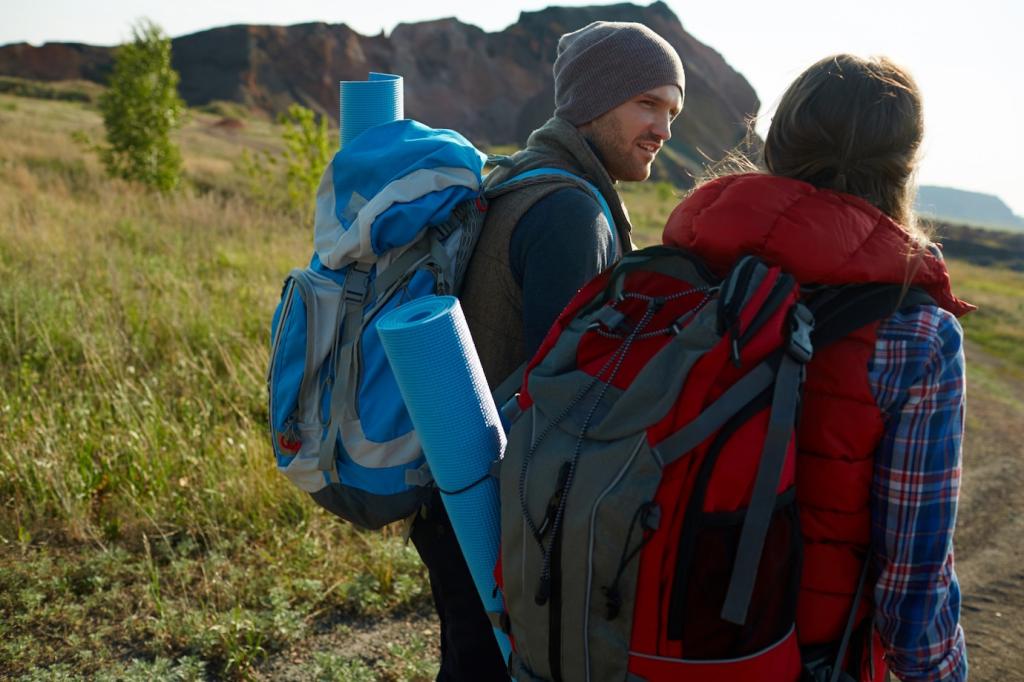
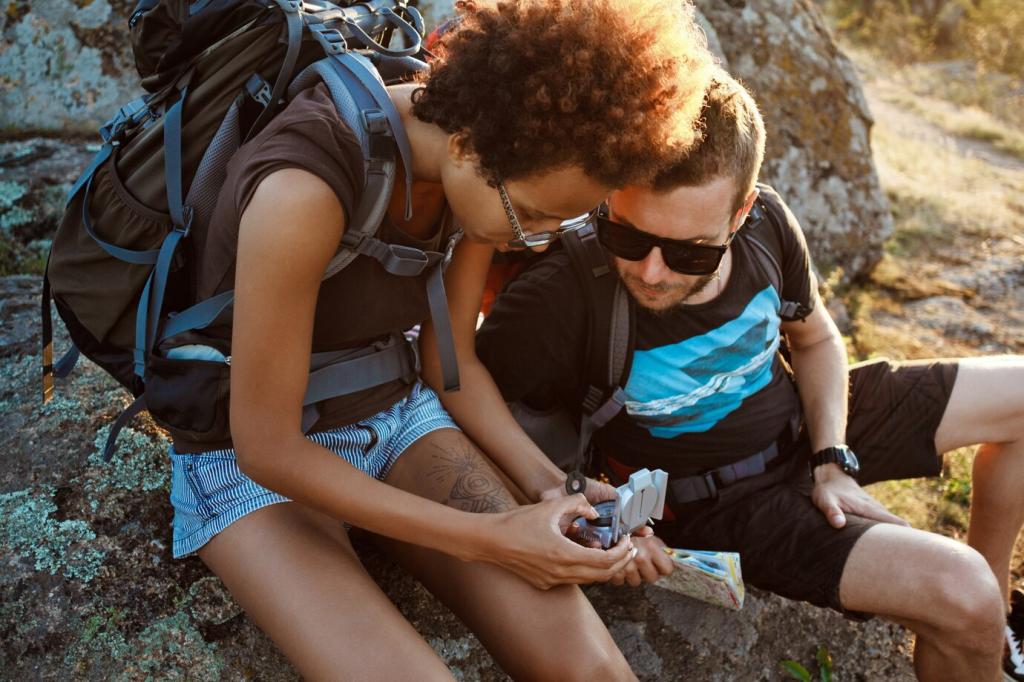
Carry a paper topo map in a waterproof sleeve, a compass you actually know how to use, and a GPS or reliable smartphone app with offline maps. Track junctions and time splits. Write waypoints for water, shade, and bailout routes. Practice triangulation before the trail tests your skills.

Navigation and Safety Essentials

A whistle carries farther than a yell and never loses battery. A small mirror and bright bandana attract attention. In remote parks, consider a satellite messenger for check-ins and SOS. Tell us your expected cell coverage, and we will recommend communication layers that match your trip risk profile.

Hydration, Food, and Kitchen Choices

Water carrying and treatment methods

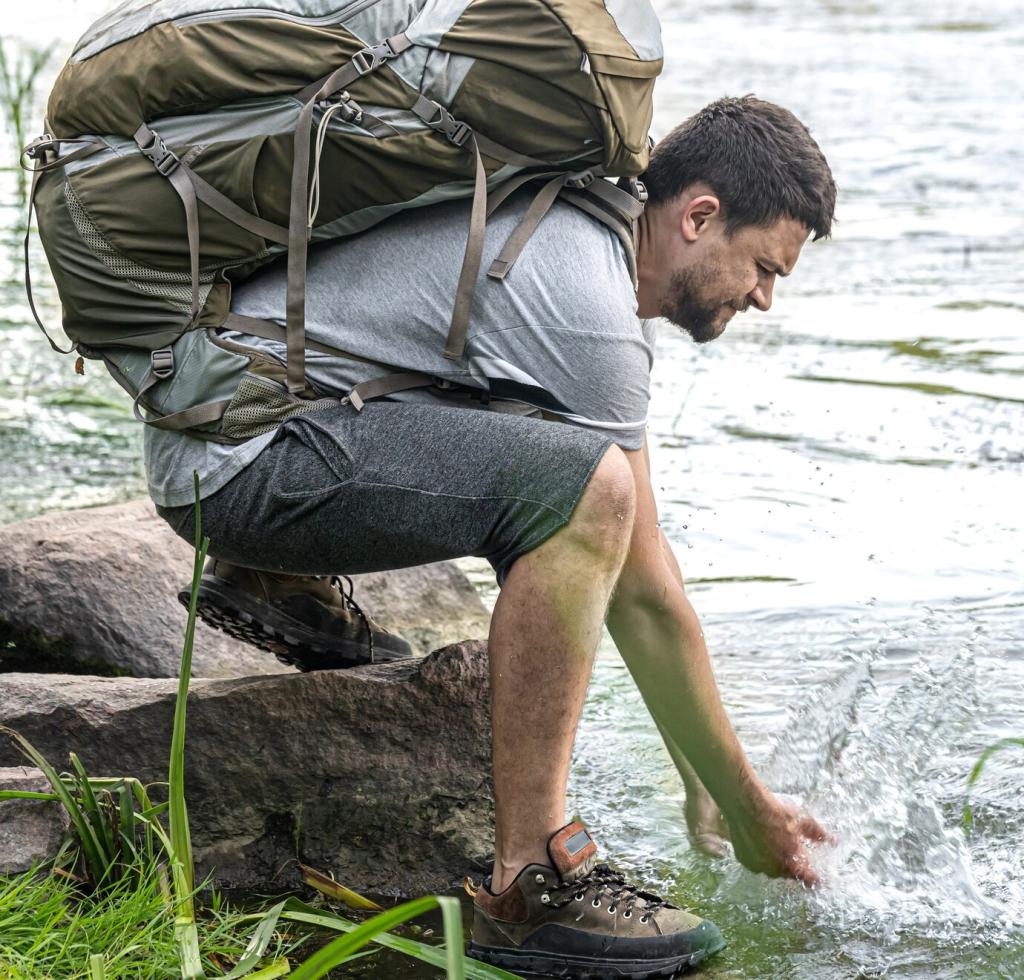
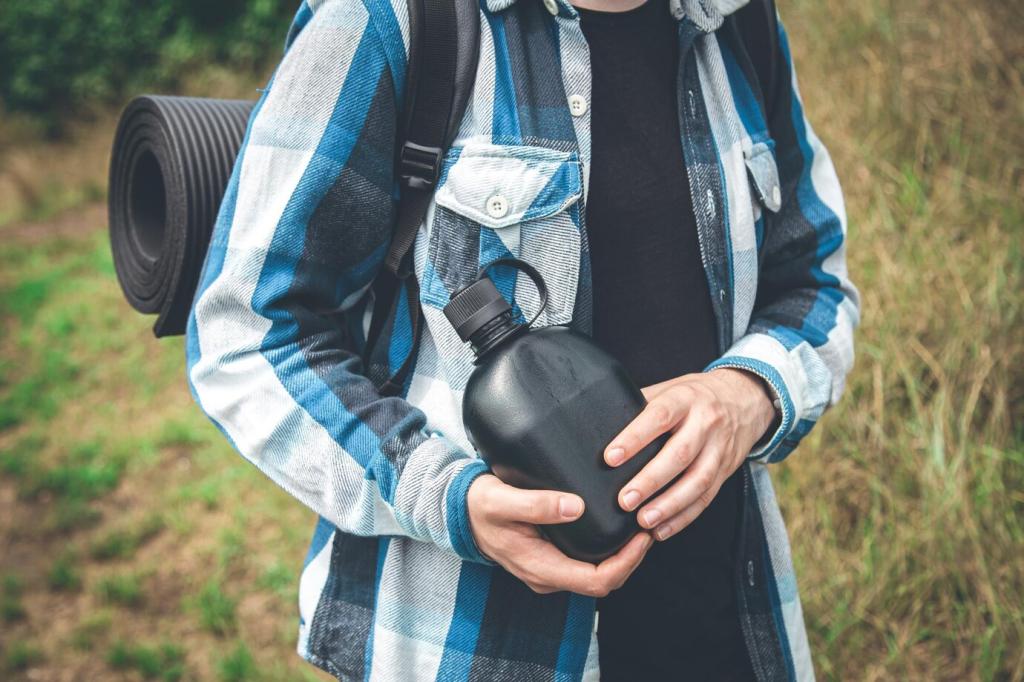
Bottles are simple and visible, bladders encourage steady sipping, and collapsible reservoirs save space when empty. Treat sources with a filter, chemical drops, or UV depending on clarity and speed. Cache water legally on permitted routes. Ask us about source reliability for your chosen park and season.

Fueling the miles with smart calories

Mix quick carbs with salty fats to sustain output: tortillas, nut butters, jerky, dried fruit, and bars that do not melt. Plan small bites every forty-five minutes. For long days, add real-food lunch. Comment with dietary preferences, and we will suggest trail-tested menus that travel well.

Seasonal and Park-Specific Gear

Desert heat and solar defense

In Arches or Big Bend, long sleeves, a sun hoodie, UPF gloves, and a brimmed hat outperform constant sunscreen reapplication. Freeze water the night before, prehydrate early, and plan siesta hours. Pack electrolytes. Comment with your hottest expected temperature, and we will calibrate your load and pace.

Real Trail Lessons and Gear Stories

On a blustery Shenandoah traverse, our wind looked mild until clouds stacked and temperature dropped ten degrees in minutes. A lightweight shell turned a shiver into a picnic, letting us linger for hawk sightings. That day cemented our habit of packing wind and rain protection every single time.
Norivelaxonononex
Privacy Overview

This website uses cookies so that we can provide you with the best user experience possible. Cookie information is stored in your browser and performs functions such as recognising you when you return to our website and helping our team to understand which sections of the website you find most interesting and useful.